
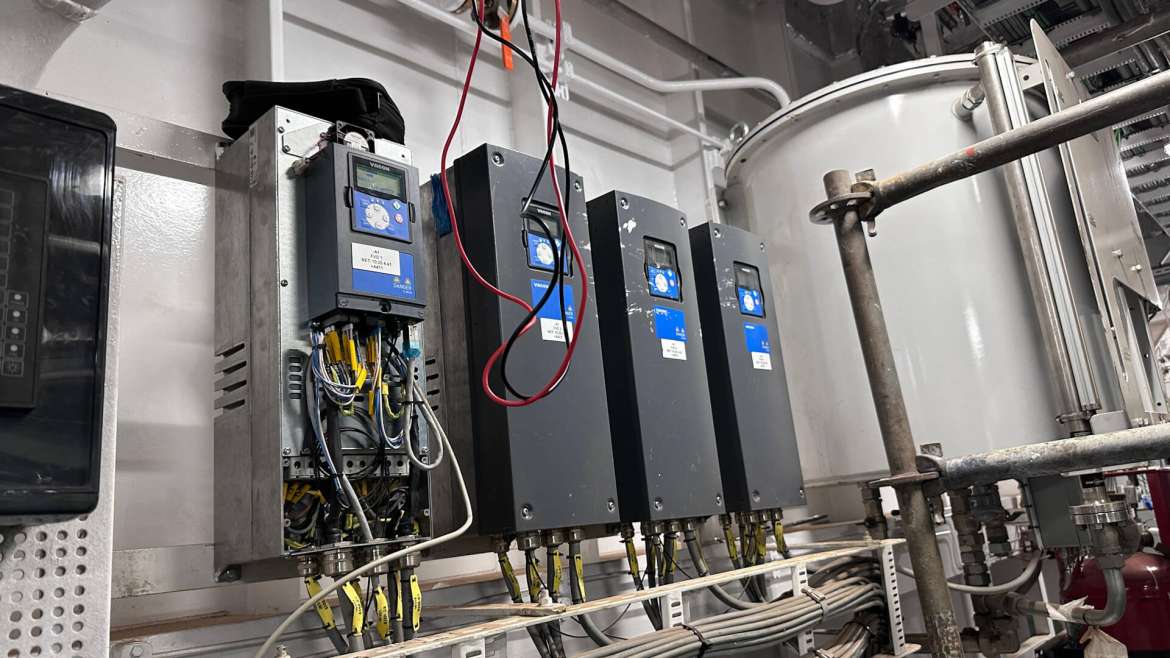
What is Service Readiness?
Service readiness means being prepared before something breaks. In maritime operations, this helps reduce delays and keeps vessels running smoothly.
In simple terms, service readiness is about three things:
- having the right spare parts available
- having correct technical documents ready
- being able to respond quickly when support is needed
Why does it matter?
When a vessel stops because of a technical issue, time is lost. This can cause schedule problems, extra costs, and stress for the crew and operations team. Service readiness helps reduce these risks by making sure support is organized in advance.
The 3 key parts of Service Readiness
1) Spare Parts Readiness
It is not enough to have “some” stock. The goal is to have the correct parts (right type and right revision) available when needed. This can reduce waiting time and urgent shipments.
2) Documentation Readiness
If manuals, certificates, and part numbers are missing or outdated, troubleshooting becomes slower. Having updated documents in one place saves time during maintenance and repairs.
3) Response Readiness
Even with parts and documents, problems can take longer if roles and communication are unclear. A basic response plan helps:
- who to contact
- what information to share
- how to escalate quickly
A quick checklist (10 items)
Use this simple checklist to review your current readiness:
- Do we have a list of critical equipment?
- Are serial numbers and revisions confirmed?
- Do we know the most common failure parts?
- Do we know the lead times for key parts?
- Do we keep minimum stock for critical items?
- Do we have approved alternates if needed?
- Are service scenarios clear (planned vs. urgent)?
- Are documents stored in one place?
- Do we know who is responsible for escalation?
- Do we track downtime reasons and repair time?
Conclusion
Service readiness is a simple but powerful idea: prepare before problems happen. With the right spares, correct documents, and a clear response plan, downtime can be reduced and operations become more stable.
Leave a reply